All Regarding Aluminum Foundry: Key Utilizes and Its Effect On Product Advancement
Aluminum foundries are vital in modern-day production, particularly in markets like auto and aerospace. They make use of innovative techniques to produce lightweight, sturdy components that enhance performance. The versatility of aluminum likewise aligns with sustainability campaigns, making it a preferred product. Nonetheless, the recurring innovations in casting techniques and their ramifications for item advancement raising essential inquiries. What future advancements might improve the landscape of aluminum foundries and their applications?
Summary of Aluminum Foundries
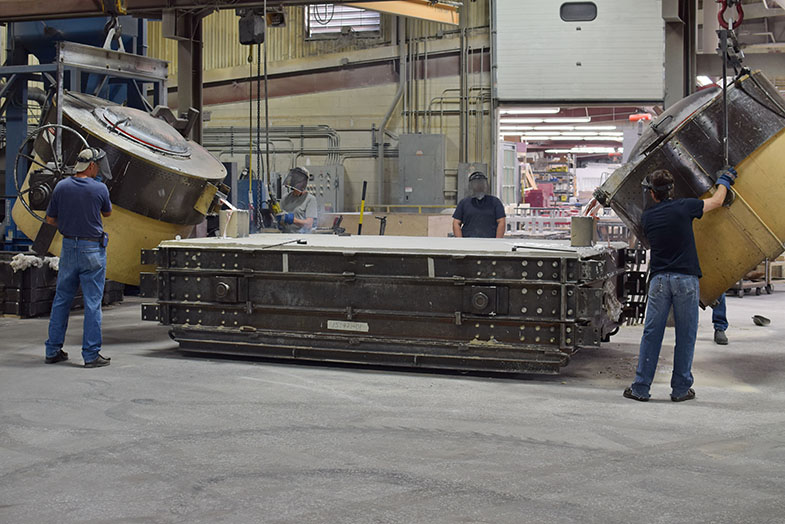
Aluminum foundries act as vital centers in the metalworking market, specializing in the casting of aluminum and its alloys. These facilities use numerous approaches, consisting of sand casting, die casting, and investment casting, to change raw aluminum into functional types. Each casting technique offers one-of-a-kind benefits, accommodating different job needs varying from little elements to large structural elements.
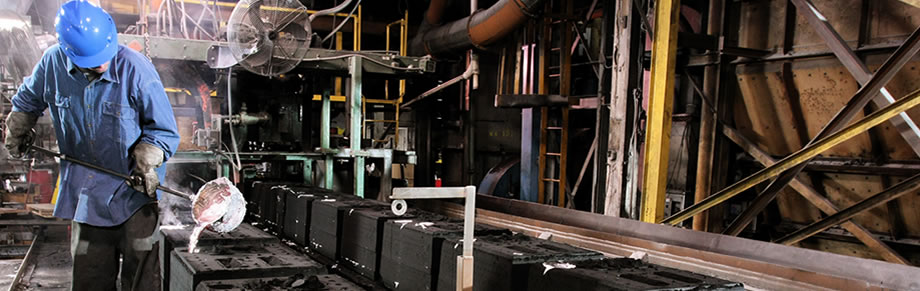
The foundries run with a meticulous procedure that starts with melting aluminum, complied with by putting the liquified steel into molds. After cooling, the castings undergo finishing procedures, which might include machining and surface treatment to fulfill specific requirements.
Quality control is critical, ensuring that the end products satisfy market requirements and customer assumptions. On top of that, aluminum foundries often emphasize sustainability by reusing scrap aluminum, consequently reducing waste and saving resources. This commitment to reliable manufacturing and ecological responsibility positions aluminum foundries as vital contributors to the manufacturing landscape.
Secret Applications of Aluminum Castings
Aluminum castings serve essential functions in numerous markets, specifically in vehicle and aerospace sectors. In the automotive industry, they add to light-weight frameworks and effective performance. Aerospace component manufacturing relies on aluminum castings for their stamina and corrosion resistance, essential for high-performance applications.
Automotive Industry Applications
In the automobile market, aluminum castings play a critical duty in boosting vehicle performance and efficiency. These castings are commonly utilized for elements such as engine blocks, transmission real estates, and suspension parts. Their lightweight nature adds to decreased car weight, which consequently improves fuel economy and handling. In addition, aluminum's exceptional thermal conductivity enables efficient warmth dissipation, vital for high-performance engines. The corrosion resistance of aluminum additionally prolongs the lifespan of auto parts, reducing upkeep prices. Furthermore, advancements in casting innovations enable the production of complex forms, optimizing the style and functionality of parts. On the whole, aluminum castings are important to modern-day auto design, sustaining development and sustainability in vehicle layout.
Aerospace Part Production
The aerospace market progressively relies on aluminum castings for an array of vital elements due to their beneficial residential or commercial properties. Light-weight yet solid, aluminum castings improve gas efficiency and general performance in airplane layout. Elements such as engine places, structural frameworks, and landing gear are usually generated making use of aluminum casting methods, allowing producers to accomplish complicated geometries while preserving architectural stability. The high resistance to corrosion and thermal residential properties of aluminum likewise add to the longevity and reliability of aerospace parts. Additionally, improvements in casting modern technologies, such as accuracy casting and 3D printing, have actually expanded the abilities of aluminum in this industry. Eventually, aluminum castings play a necessary function in meeting stringent safety and security standards and efficiency requirements in modern-day aerospace applications.
Advantages of Making Use Of Aluminum in Production
While countless materials are offered for production, aluminum stands apart because of its unique mix of buildings that improve performance and efficiency. One significant advantage of aluminum is its lightweight nature, which adds to decreased energy intake and boosted fuel performance in numerous applications. Furthermore, aluminum shows exceptional corrosion resistance, prolonging the life expectancy of items and reducing maintenance prices. Its high thermal and electric conductivity makes it ideal for heat exchangers and electrical elements, while its pliability permits versatile styles and elaborate shapes.
Additionally, aluminum is recyclable, advertising sustainability in producing procedures. This reusability not only conserves resources but additionally decreases the carbon footprint associated with production. The versatility of aluminum to different alloys even more boosts its energy in diverse sectors, from vehicle to consumer electronic devices. Jointly, these qualities make aluminum a perfect choice for suppliers seeking to stabilize efficiency, cost-effectiveness, and environmental obligation.
Developments in Casting Strategies
Current developments in casting techniques have actually considerably changed the aluminum foundry industry. The assimilation of 3D printing modern technology has actually allowed a lot more intricate layouts, while enhanced alloy formulas boost efficiency and sturdiness. These technologies are driving effectiveness and expanding the applications of aluminum in various fields.
3D Printing Integration
Enhanced Alloy Formulations
Advancements in aluminum factory innovation have actually caused the development of improved alloy formulas that here are the findings improve casting efficiency and material residential properties. These innovative formulations commonly incorporate components such as silicon, magnesium, and copper, which enhance stamina, ductility, and corrosion resistance. By fine-tuning the structures, manufacturers can attain specific characteristics tailored to varied applications, from automotive to aerospace industries. Furthermore, these improved alloys help with straight from the source far better fluidness during the casting procedure, reducing issues and boosting surface area coating. As an outcome, the performance of manufacturing is significantly boosted while preserving strict quality criteria. This evolution in alloy development not only enhances production yet also supports the production of lighter, more powerful components, eventually progressing product advancement and efficiency.
Influence on Aerospace and Automotive Industries
The notable impact of aluminum foundries on the aerospace and automobile markets can not be overemphasized. Aluminum alloys, recognized for their lightweight and high strength, have actually reinvented the design and production procedures in both fields. In aerospace, the decrease in weight straight associates to sustain efficiency, enabling longer flights and lower emissions. Components such as aircraft frames, wings, and engine parts gain from aluminum's exceptional tiredness resistance and deterioration resistance.
In the vehicle sector, aluminum foundries add to the production of lighter vehicles, improving efficiency and gas economic situation while meeting strict environmental policies. Making use of aluminum in engine blocks, body panels, and wheels has actually boosted considerably, driven by consumer need for much more effective cars. Furthermore, developments in casting techniques have boosted the accuracy and performance of parts, enabling suppliers to establish more integrated and complex styles, thus cultivating advancements in both industries.
Sustainability Practices in Aluminum Foundries
Aluminum foundries are progressively embracing sustainability practices to reduce their environmental footprint while fulfilling the expanding needs of the aerospace and automobile industries. These techniques include the implementation of energy-efficient modern technologies, such as electric melting heaters and progressed heat recuperation systems, which considerably lower power consumption (Aluminum Foundry). Furthermore, numerous foundries are prioritizing making use of recycled aluminum, which requires much this post less energy and leads to reduced greenhouse gas exhausts compared to key aluminum production
Water preservation initiatives are likewise gaining grip, with foundries employing closed-loop systems to lessen water usage and stop contamination. Additionally, waste administration strategies, consisting of reusing scrap and lessening hazardous waste, add to a more lasting operation. By adopting these practices, aluminum foundries not just enhance their competitiveness however additionally align with worldwide sustainability objectives, ultimately supporting a round economy and promoting technology in environmentally friendly production procedures.
Future Trends in Aluminum Casting Modern Technology
As the need for lightweight and long lasting products remains to increase, innovations in casting modern technology are poised to improve the aluminum market. Advanced strategies such as 3D printing and automated casting processes are getting grip, allowing for extra complicated geometries and reduced material waste. The assimilation of expert system and artificial intelligence is also boosting high quality control and process optimization, reducing issues and enhancing performance.
The development of new aluminum alloys is expanding the application range of actors items, making them ideal for sectors from auto to aerospace. Boosted reusing techniques are expected to even more reduce environmental influences, straightening with worldwide sustainability goals.
Additionally, using clever sensing units in casting processes is anticipated to enable real-time surveillance, ensuring better accuracy and consistency. These fads indicate a transformative age in aluminum casting innovation, enabling suppliers to fulfill progressing market demands while focusing on sustainability and advancement.
Often Asked Questions
Just How Is Aluminum Recycled After Use in Products?
Aluminum reusing includes gathering, arranging, and melting used aluminum products (Aluminum Foundry). The molten steel is then cast right into new types, reducing energy intake and preserving natural deposits, making it an effective and lasting process for aluminum healing
What Precaution Are Applied in Aluminum Foundries?
Security procedures in aluminum foundries consist of proper air flow systems, individual safety equipment, routine safety and security training, equipment upkeep methods, and emergency reaction strategies, all intended at minimizing risks connected with heats and hazardous materials during manufacturing.
Just How Do Aluminum Foundries Ensure Quality Control?
Aluminum foundries carry out strenuous top quality control processes, including product assessments, temperature level monitoring, and dimensional checks. These actions ensure item consistency, lower problems, and abide by market criteria, eventually enhancing client contentment and functional efficiency.
What Are Common Challenges Faced by Aluminum Foundries?
Aluminum foundries typically face challenges such as maintaining consistent quality, managing production prices, ensuring prompt distribution, resolving tools upkeep, and adapting to developing industry regulations. These factors can greatly impact total functional efficiency and success.
How Does Aluminum Spreading Affect Item Weight?
Aluminum casting significantly decreases product weight as a result of aluminum's reduced thickness compared to various other metals - Aluminum Foundry. This lightweight particular boosts style flexibility, boosts gas effectiveness in transportation applications, and supplies advantages in various sectors needing weight-sensitive components
Comments on “The next era of Aluminum Foundry in eco manufacturing”